
On June 23, 2026, ByteDance unveiled five next-generation models at the Volcengine FORCE conference: Doubao 2.1 Pro, video generation model Seedance 2.5, Seedance 2.0 4K edition, image creation model Seedream 5.0 Pro, and audio generation model 1.0. The headline act, Seedance 2.5, is expected to launch in early July.
Key upgrades: native 30-second continuous video in a single pass, up to 50 reference inputs, native 4K output, and region-level editing.
Some numbers to put Seedance's market position in context: annualized revenue reportedly hit $2 billion with roughly 70% gross margins, and its penetration in the AI short-drama space is close to 95%. Doubao's daily token volume has passed 180 trillion — a 10x increase in one year. Volcengine holds 49.5% of China's public cloud MaaS market, ranking first.
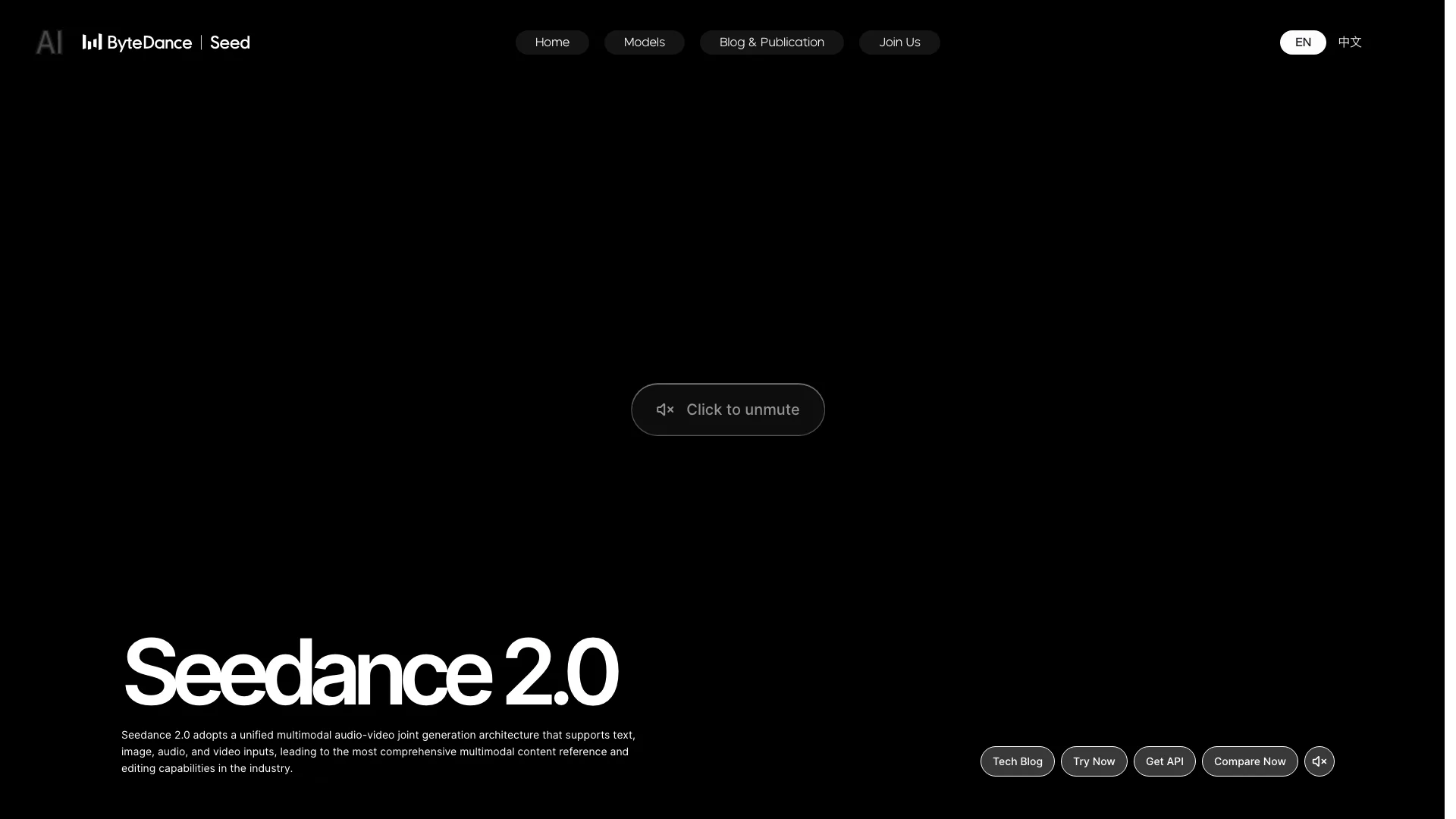 ByteDance Seed official page — expected to update once Seedance 2.5 launches
If you're currently using Seedance 2.0 or Seedance 2.0 Mini, this article breaks down what 2.5 actually upgrades, whether it's worth waiting for, and what to do right now.
What's New in Seedance 2.5
30-Second Native Video
Seedance 2.0 maxed out at 15 seconds. Version 2.5 doubles that to 30 seconds in a single generation — no stitching. Characters, scenes, and lighting stay consistent across the full 30 seconds with no seams or jumps.
30 seconds may not sound like much, but it's currently the longest single-pass generation among publicly available models. For comparison: Runway Gen-4 caps at 10 seconds, Kling 2.1 at 10 seconds, Sora 2 at 20 seconds.
50 Reference Inputs
Seedance 2.0 supported up to 12 reference inputs (6 images + 3 audio + 3 video). Version 2.5 expands this to 50 in one go. This isn't just a numbers bump — it changes the workflow entirely.
Instead of describing every detail in text, you can now dump a stack of references: character designs, scene mood boards, camera movement styles, background music. The model interprets and blends them on its own. For short dramas, ads, and e-commerce videos that demand high consistency, this is a step change.
Region-Level Editing
This is 2.5's most practical new feature. You can modify a specific area of a video while preserving the original motion paths, camera angles, and lighting.
Example: you've generated a product showcase video but want to swap the white background for an outdoor scene. Previously you'd regenerate the entire clip. Now you edit just the background — the product's motion and lighting stay intact.
3D Blockout Pre-Visualization
Feed in a low-fidelity 3D blockout to lock spatial composition, camera movement, and object placement, then combine it with style references to generate the final video. Essential for professional users who need precise shot control.
Director-Grade Camera Control
Push-in, pull-out, handheld, tracking, orbit — 2.5 offers finer camera control, letting you plan multi-shot sequences in a single generation instead of stitching clips after the fact.
Seedance 2.5 vs 2.0: Side by Side
| Feature | Seedance 2.0 | Seedance 2.5 |
|---|---|---|
| Max duration | 15 seconds | 30 seconds |
| Reference input limit | 12 | 50 |
| Region-level editing | Not supported | Supported |
| 3D blockout input | Not supported | Supported |
| Native resolution | Up to 1080P (upgraded to 4K) | Native 4K |
| Audio generation | Native sync | Improved phoneme-level lip sync |
| Camera control | Basic | Director-grade fine control |
| API pricing | ~¥1.0/sec (720P) | TBA |
| Status | Live | Enterprise beta, early July launch |
Note: Both Seedance 2.0 and 2.5 support native 4K output. The 2.0 4K upgrade was announced at the same conference; 2.5 supports it natively.
Wait for 2.5 or Use 2.0 Now?
It depends on what you need:
Don't wait — use 2.0 now if:
- Your video needs are mostly sub-15-second clips (social media, e-commerce, ad creatives)
- You need a stable, available API and can't afford to wait on an uncertain launch date
- You're budget-sensitive — 2.5 will almost certainly cost more, and new models tend to launch at premium pricing
- You need high-volume output; Seedance 2.0 Mini is currently the best value option
Worth waiting for 2.5 if:
- You're producing content longer than 15 seconds (short dramas, brand films, tutorial videos)
- You need highly consistent multi-shot narratives
- Your workflow relies heavily on reference materials (12 isn't enough)
- You need region-level editing to avoid full regeneration for small changes
The middle ground: Start with 2.0 or Mini for current needs, switch to 2.5 once it launches. Prompts and projects are largely compatible across generations — migration costs are low.
How It Stacks Up Against Competitors
| Model | Max Duration | Reference Input Limit | Region Editing | Status |
|---|---|---|---|---|
| Seedance 2.5 | 30 sec | 50 | Supported | July launch |
| Seedance 2.0 | 15 sec | 12 | Not supported | Live |
| Sora 2 | 20 sec | Limited | Not supported | Live |
| Runway Gen-4 | 10 sec | Limited | Supported | Live |
| Kling 2.1 | 10 sec | Multimodal | Partial | Live |
| Veo 3.1 | 8 sec | Limited | Not supported | Live |
Note: Data as of June 2026. All models are actively updated. Seedance 2.5 specs are based on official conference announcements; the production release may differ.
Seedance 2.5 leads significantly on duration and reference input count — 30 seconds of single-pass generation is the longest among publicly available models. But keep in mind: Seedance 2.5 hasn't officially launched yet. No independent third-party benchmarks exist, and actual quality and stability need to be verified post-launch. Seedance 2.0 currently ranks #1 on the Artificial Analysis Video Arena leaderboard (top in both text-to-video and image-to-video), and whether 2.5 sustains that lead remains to be seen.
Pricing Predictions
Seedance 2.5 hasn't announced official pricing yet, but we can estimate from several angles:
- Seedance 2.0's API pricing is roughly ¥1.0/sec (720P), or ~$0.24–$0.68/sec on third-party platforms like fal.ai
- With doubled duration and significantly expanded features, pricing will likely increase
- Competitor benchmarks: Veo 3.1 runs ~$0.40/sec, Kling 3.0 Pro ~$0.33/sec
- Reasonable expectation: 2.5 pricing may land in the ¥1.5–2.5/sec ($0.20–$0.35) range
We'll update with confirmed pricing once 2.5 officially launches.
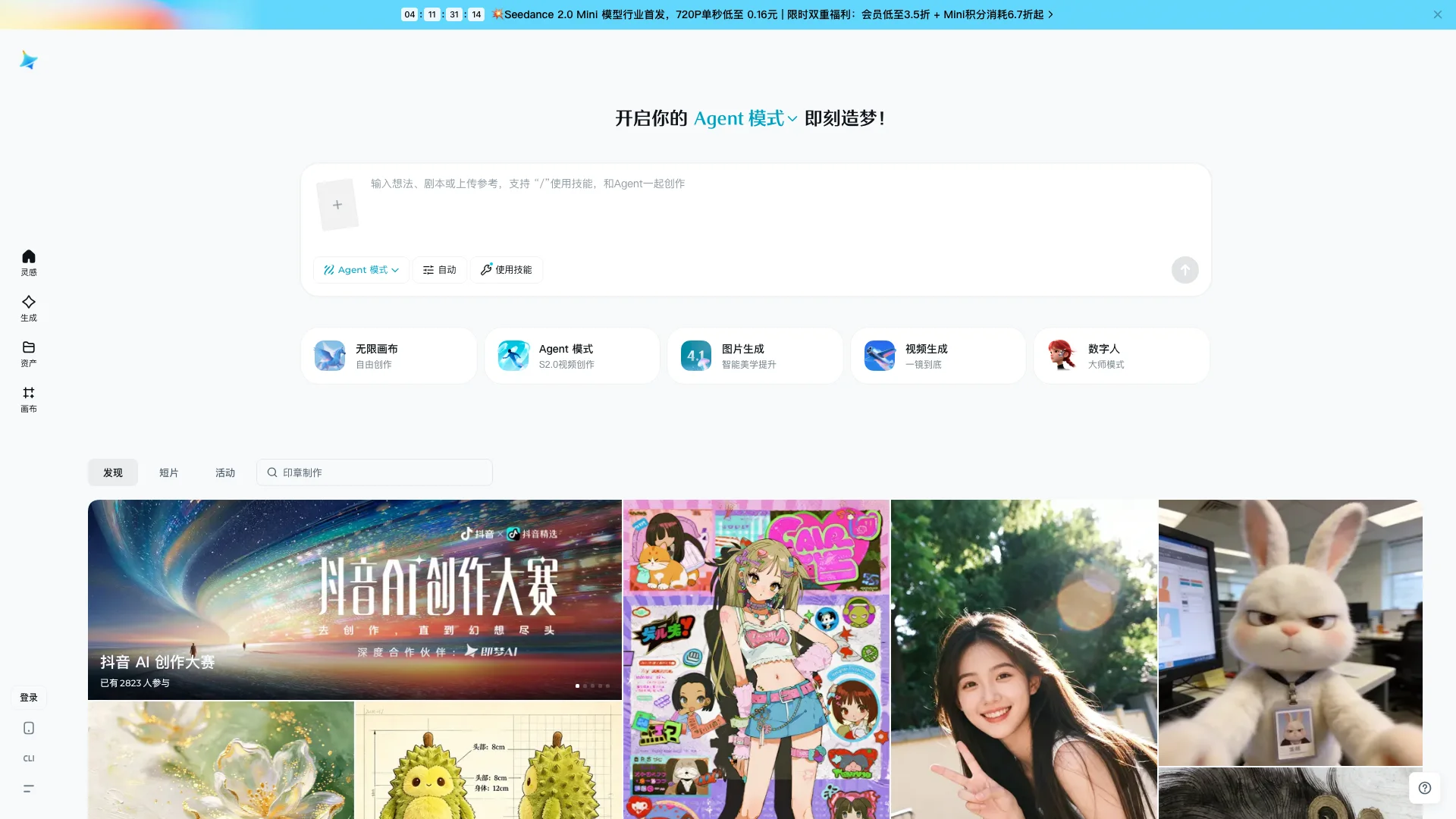 Jimeng (Dreamina) video generation interface — the top banner is already promoting Seedance 2.5 Mini
How to Get Access First
| Platform | Expected Availability | Best For |
|---|---|---|
| Jimeng (Dreamina) / Dreamina | Early July, simultaneous launch | Visual interface users |
| Volcengine Ark API | Early July | Chinese developers |
| BytePlus ModelArk | After July | International developers |
| editly.art | Integration as soon as it's live | Zero-friction access |
New to AI video? Check out our beginner's guide first — getting familiar with the basics will make picking up 2.5 much smoother.
The Bottom Line
Seedance 2.5's upgrade direction is clear: longer videos, more control, finer editing. It targets professional content production — short dramas, brand ads, e-commerce videos, anything that demands consistency and precise control.
But if your priority is high-volume output at low cost, Seedance 2.0 and Mini remain the more practical choice. We'll publish hands-on reviews and pricing comparisons as soon as 2.5 goes live.
Related: Seedance 2.5 vs Kling 3.0: Which Should You Choose?